
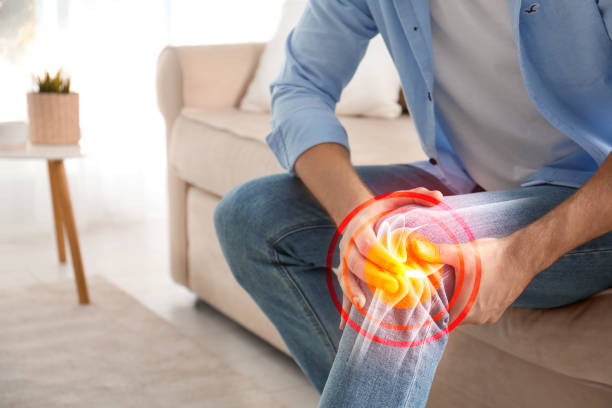
6 Amazing Ways Physical Therapy Benefits Osteoarthritis
Osteoarthritis (OA) is a common condition that affects the joints, causing pain, stiffness, and reduced mobility. If you’ve been diagnosed with OA, you may think that staying active is no longer an option due to the discomfort. However, physical therapy plays a key role in helping people continue living an active and fulfilling life. At Elevate Therapy, we use evidence-based approaches to help you stay active, reduce pain, and improve mobility, even with osteoarthritis.
Staying active is essential for managing osteoarthritis effectively.
How Physical Therapy Can Help You Stay Active with OA
Osteoarthritis can impact daily activities, but targeted physical therapy can mitigate these effects and improve your quality of life.
For those living with osteoarthritis, tailored exercise regimens are crucial for maintaining mobility.
Contrary to the common belief that joint pain means you should rest, physical therapy can actually help you maintain or even increase your activity levels over time. Research consistently shows that exercise and movement are among the best ways to manage OA symptoms and improve joint health. Physical therapists are trained to develop safe and personalized treatment plans that target your specific needs, enabling you to stay active while minimizing pain and preventing further joint damage.
By addressing osteoarthritis through physical therapy, you can lead a more active life.
Physical activity can alleviate the symptoms significantly.

Here’s how physical therapy can help you continue to lead an active lifestyle despite having OA:
1. Pain Reduction and Management
This can be particularly beneficial for those with osteoarthritis in their joints.
Individuals experiencing osteoarthritis should focus on exercises that enhance joint function.
Understanding the effects of osteoarthritis is vital for improvement and recovery.
One of the primary goals of physical therapy is to reduce pain. Manual therapy techniques, like joint mobilizations and soft tissue work, help reduce stiffness and improve mobility. Studies show that manual therapy can significantly reduce pain and increase joint function in people1. Additionally, your physical therapist will guide you through specific exercises to strengthen muscles around the affected joint, which helps take the strain off the joint itself2, leading to less pain over time.
Physical therapy can be a game-changer for individuals struggling with joint issues.
2. Strengthening Muscles for Joint Support
Awareness of osteoarthritis symptoms is crucial for effective intervention.
A strong, stable muscle structure around the affected joint is crucial for managing OA. Physical therapy focuses on strengthening the muscles that support your joints, especially those around the knee, hip, and back. Research indicates that strengthening the quadriceps and hamstrings around the knee, for example, can significantly reduce pain and improve function in people with knee osteoarthritis3. Stronger muscles help absorb shock, reduce joint stress, and improve stability4, enabling you to continue moving without fear of further damage or pain5.
3. Improving Flexibility and Range of Motion
OA often causes stiffness, which can make even simple tasks difficult. Physical therapy includes stretching and mobility exercises that help improve range of motion in the affected joint. For example, research has shown that range-of-motion exercises are effective in increasing joint mobility and decreasing pain in patients with OA6. The more flexible your joints are, the easier it is to move, which helps you stay active in your everyday life.
The right strategies can enhance outcomes for individuals with osteoarthritis.
Regular assessments are essential for managing osteoarthritis effectively.
Osteoarthritis requires a proactive approach to maintain joint health.
Exploring options for osteoarthritis management can lead to better outcomes.
4. Tailored Exercise Programs to Keep You Active
Physical therapists develop personalized exercise programs to meet your needs and goals. These programs typically include low-impact activities, such as walking, cycling, or swimming, that don’t put excessive stress on the joints but still allow you to stay active. Research supports the benefits of regular aerobic exercise in improving cardiovascular fitness and joint function, which can help keep you active for longer7.
Additionally, exercises that focus on improving balance and core strength can prevent falls and help you stay active without worrying about stability.
5. Preventing Further Joint Damage
Physical therapy isn’t just about managing current symptoms; it’s also about preventing future damage. By working with a physical therapist, you can learn the correct ways to move and use your joints, which can help you avoid overloading them. Joint protection strategies, like proper posture and ergonomics, can minimize the risk of further joint degeneration. Research shows that a combination of strengthening, stretching, and patient education can slow the progression of OA and help you maintain mobility for a longer period (Osteoarthritis Research Society International, 2019).
6. Promoting Long-Term Wellness
Finally, physical therapy doesn’t just focus on short-term pain relief. It’s about giving you the tools and confidence to maintain an active lifestyle long-term. Studies have shown that patients with OA who engage in regular physical therapy have better outcomes in terms of mobility, pain relief, and overall quality of life8. With physical therapy, you’ll be empowered to continue doing the activities you enjoy, from walking and running to gardening and playing sports.
Exercise: The Key to Staying Active with OA
While physical therapy provides the foundation, incorporating regular exercise into your routine is essential for maintaining an active lifestyle with OA. Exercise helps maintain joint function, reduce pain, and improve overall fitness. In addition to the exercises prescribed by your physical therapist, other activities like swimming, tai chi, or cycling can complement your therapy and provide ongoing benefits.
What to Expect with Our OA Treatment Plan
At Elevate Therapy, we take a patient-centered approach to managing OA. Our experienced physical therapists will:
- Conduct a thorough evaluation to understand your condition.
- Create a personalized treatment plan that combines manual therapy, strengthening exercises, stretching, and joint protection techniques.
- Educate you on safe movement patterns to protect your joints and prevent further damage.
- Help you develop an exercise routine to stay active and enjoy life without being limited by OA.
Start Your Journey to Staying Active Today
Don’t let osteoarthritis hold you back from the activities you love. With the right physical therapy plan, you can manage your symptoms, reduce pain, and maintain an active, fulfilling lifestyle. At Elevate Therapy, we are dedicated to helping you achieve long-term wellness and keep moving, no matter what.
Contact us today to schedule an appointment and begin your journey toward better mobility and a more active life.
- Tsokanos, A., et al. – The Efficacy of Manual Therapy in Patients with Knee Osteoarthritis. (2021).
👉 Read here - Serrano-García, B., et al. – Effects of Manual Therapy and Strengthening Exercise on Pain in Patients with Knee Osteoarthritis: A Systematic Review and Meta-Analysis. (2025).
👉 Read here - Al-Johani, A. H., et al. – Comparative Study of Hamstring and Quadriceps Strengthening in Knee OA. (2014).
👉 Read here - Mahmoud, W. S. – Concurrent Hamstring Stretching and Quadriceps Strengthening in Osteoarthritis Patients. (2023).
👉 Read here - Radcliffe, S. – Want to Avoid a Knee Replacement? Strengthen Your Quads and Hamstrings. Healthline (2023).
👉 Read here - Zhu, B., et al. – Manual Therapy May Offer Superior Short-Term Pain Relief Compared With Usual Care in Knee Osteoarthritis.(2024).
👉 Read here - Deyle, G. D. – Physical Therapy for Knee Osteoarthritis: Exercise Reduces Symptoms and Improves Function. (2005).
👉 Read here - Wikipedia – Blood Flow Restriction Training and Its Benefits in Knee Osteoarthritis. (2025).
👉 Read here
